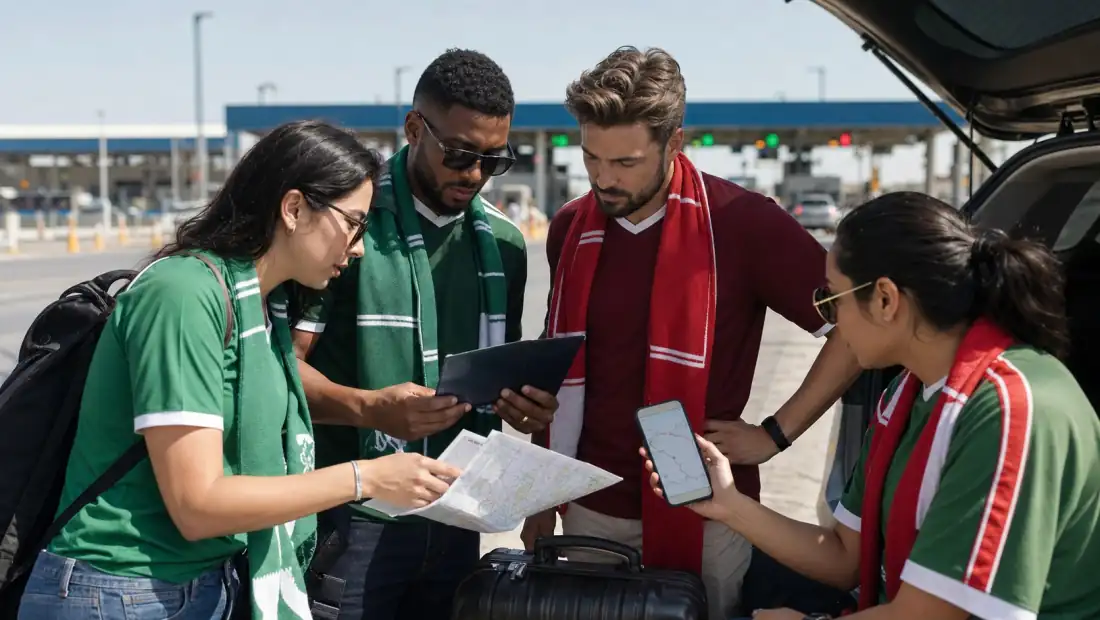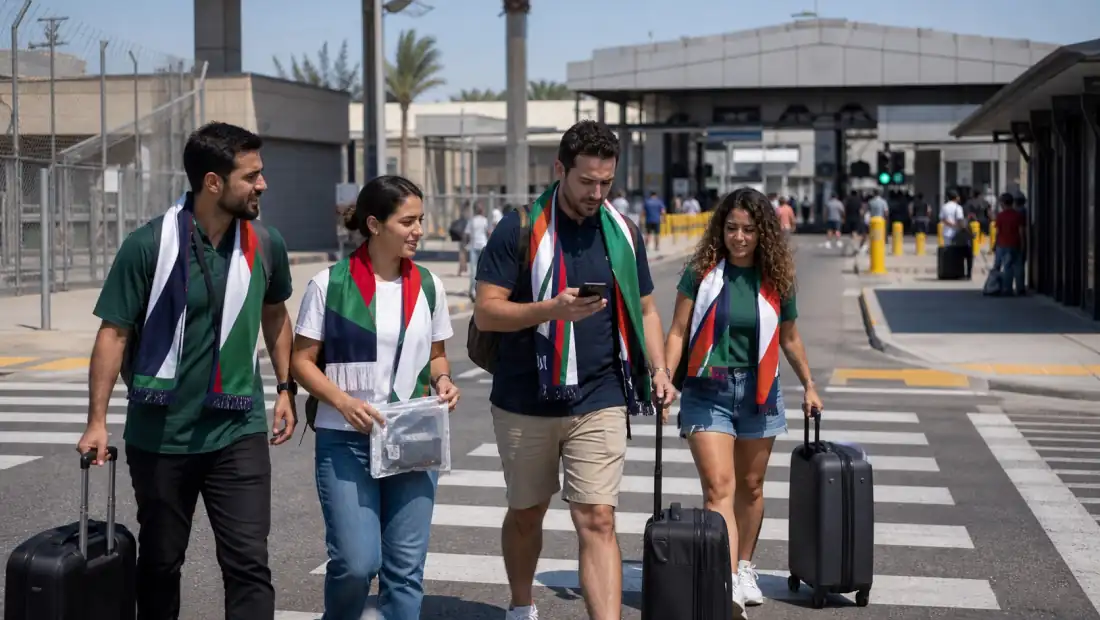
Ready Lane and SENTRI are not the same. Ready Lanes are for eligible RFID-enabled travel cards at U.S.-Mexico land crossings. SENTRI is a Trusted Traveler Program for pre-approved travelers using dedicated southern land-border lanes.
CBP says Ready Lane cards include U.S. passport cards, enhanced driver's licenses, enhanced Border Crossing Cards, enhanced permanent resident cards, and Trusted Traveler Program cards such as NEXUS, SENTRI, Global Entry, or FAST. A standard U.S. passport book is not accepted for Ready Lane use because it does not contain the required RFID chip.
For SENTRI, apply through the official Trusted Traveler Program system. CBP lists the process as creating a TTP account, completing the application, paying a non-refundable fee, waiting for review, then scheduling an interview if conditionally approved.
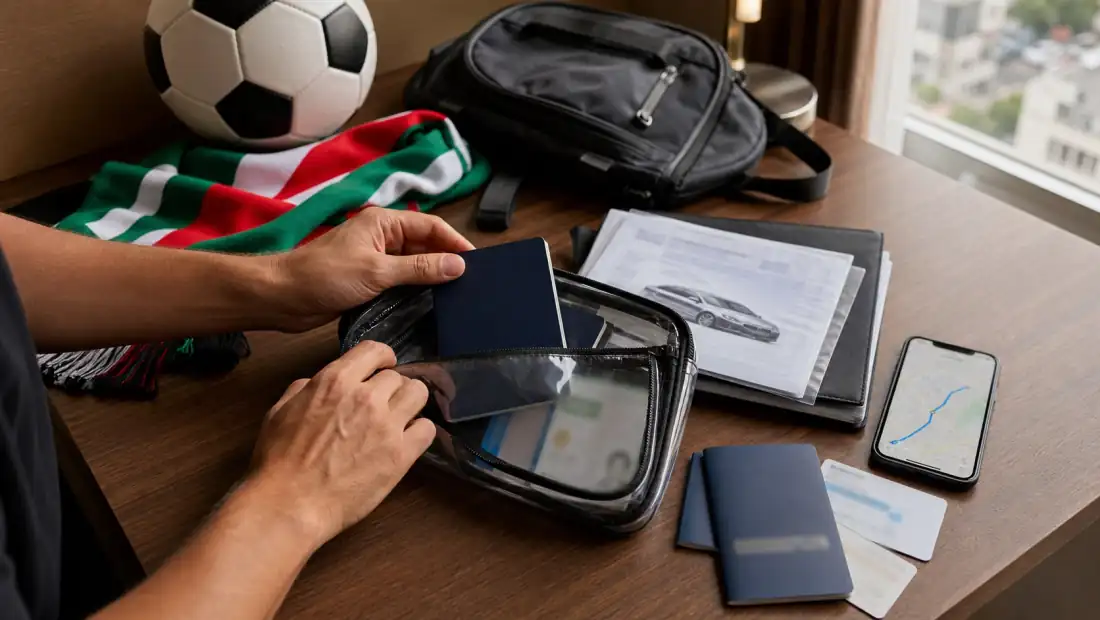
For the SENTRI interview, CBP says applicants bring valid passport(s) and one other identification document. Lawful permanent residents bring a permanent resident card. Vehicle registration and evidence of U.S. automobile insurance are also required when vehicle use is part of the SENTRI process.
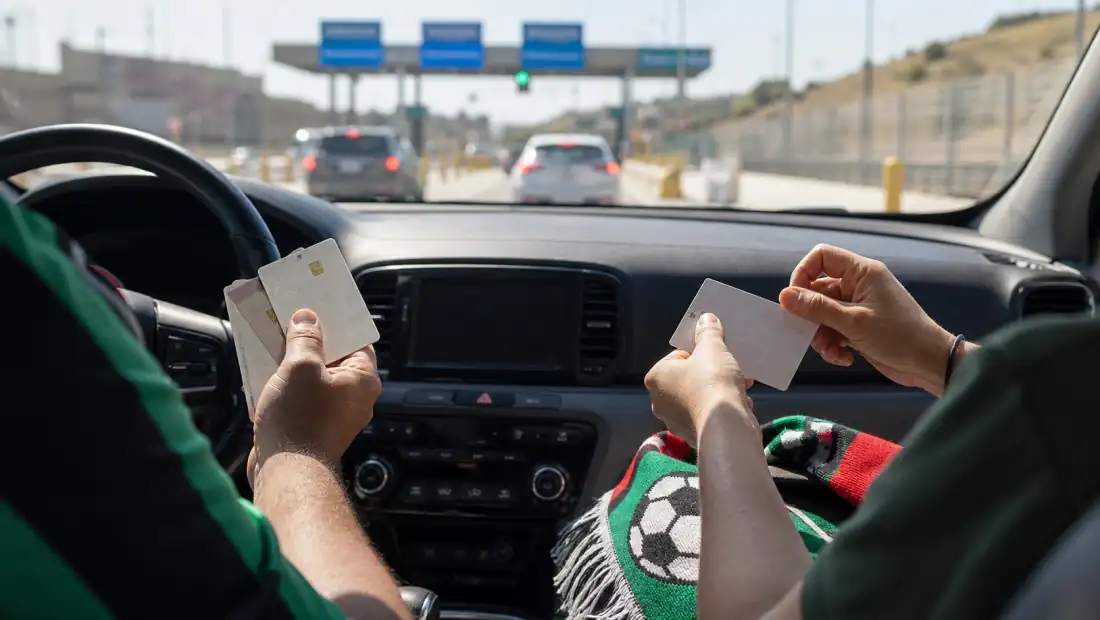
For Mexico-to-U.S. vehicle lanes, do not assume one member covers the whole car. CBP says all passengers in a vehicle must be TTP members and present their own cards when using dedicated SENTRI or NEXUS lanes entering the United States.
Fan practical rule: if one person lacks the correct card, use a regular lane and keep documents ready. If you borrowed a car, changed plates, added passengers, or are driving a rental, confirm vehicle and permission requirements inside your TTP account before match travel.
Sponsorship fit is strong here: immigration attorneys can explain eligibility questions, auto insurers can explain Mexico/U.S. vehicle coverage, parking/shuttle operators can offer alternatives when lane waits spike, and travel clinics or document services can sponsor checklist modules. Labels must stay clear and sponsors must not change official requirements.