
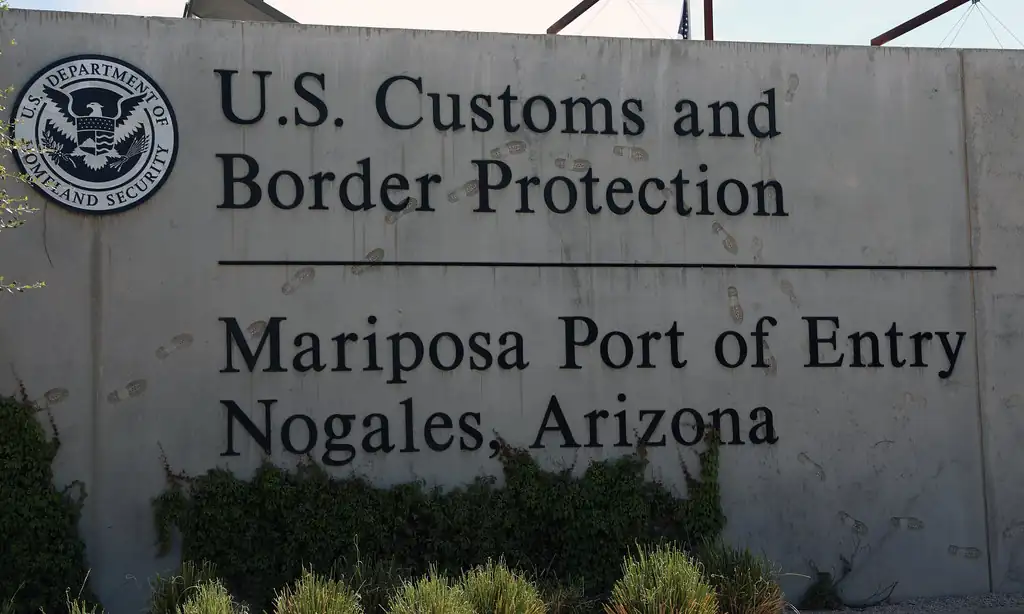
This guide is practical packing context, not legal advice. Border officers decide admissibility, and rules can change by country, product, animal, disease outbreak, and traveler status.
Food is a common trip trap. CBP says agricultural items can include meats, fresh fruits and vegetables, plants, seeds, soil, and products made from animal or plant materials.
Declare food and agricultural items when entering the United States. If you are unsure whether a snack, souvenir, spice, or plant product is allowed, declare it and let inspection decide.
Medicines, weapons, ammunition, pets, wildlife products, alcohol, tobacco, large cash amounts, and commercial quantities can require extra proof, permits, declaration, duties, or seizure review.
Food, plants, and agriculture
For border packing searches, food is usually the first risk bucket. Meat, fresh fruit, vegetables, plants, seeds, soil, and animal or plant products can trigger inspection.
Declare uncertain items instead of guessing. A snack, spice, plant souvenir, or homemade food can create delay if it is not declared.
Medicines, pets, cash, and souvenirs
Keep medicines in original containers when possible and verify controlled-substance rules before crossing. Pets and service animals may need health or rabies documents.
Large cash amounts, wildlife products, alcohol, tobacco, counterfeit goods, and commercial quantities can require declaration, proof, duties, permits, or seizure review.