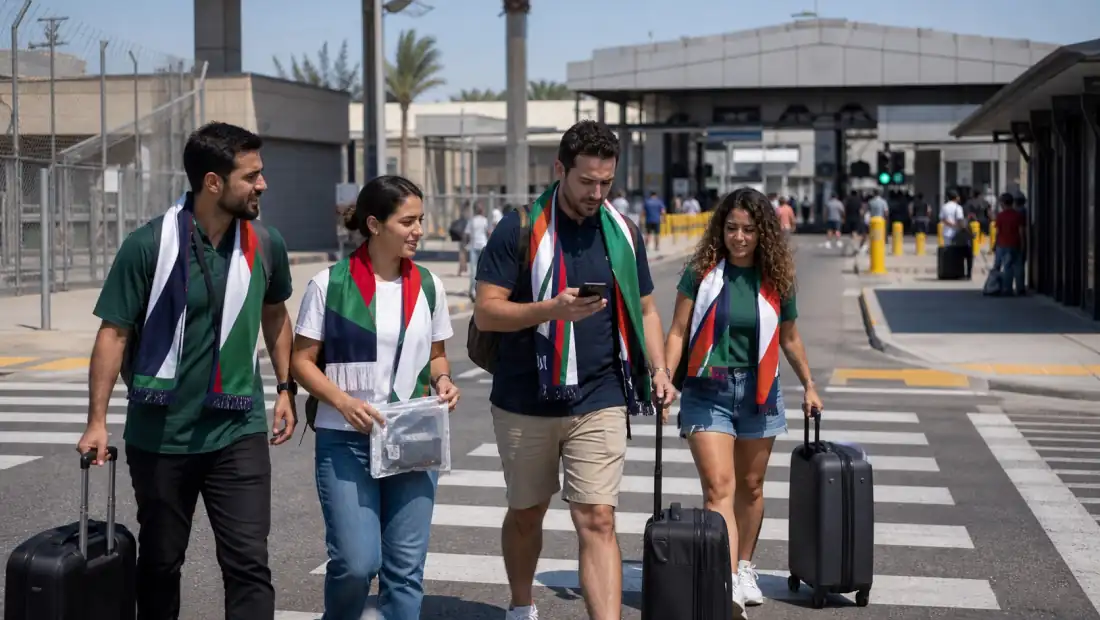
Pedestrian crossing can work well when transit, rideshare, shuttles, hotels, or family pickups work on both sides. It can fail if one traveler lacks documents, the pedestrian lane is heavy, or the return plan depends on a closed pickup zone.
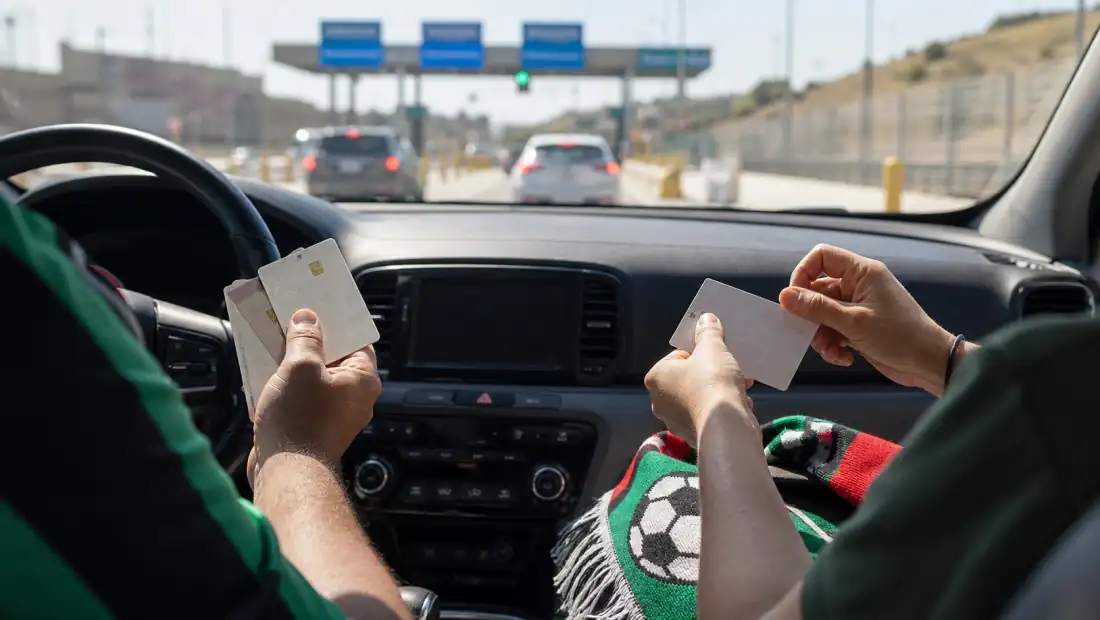
The same document logic still matters. U.S. citizens returning by land need WHTI-compliant documents. Canadian citizens entering the United States by land need accepted WHTI documents. Mexican citizens entering the United States generally need a passport with visa or Border Crossing Card.
Entering Mexico by foot still requires Mexico entry compliance for foreign visitors. Verify FMM or entry handling with official INM pages before the trip.
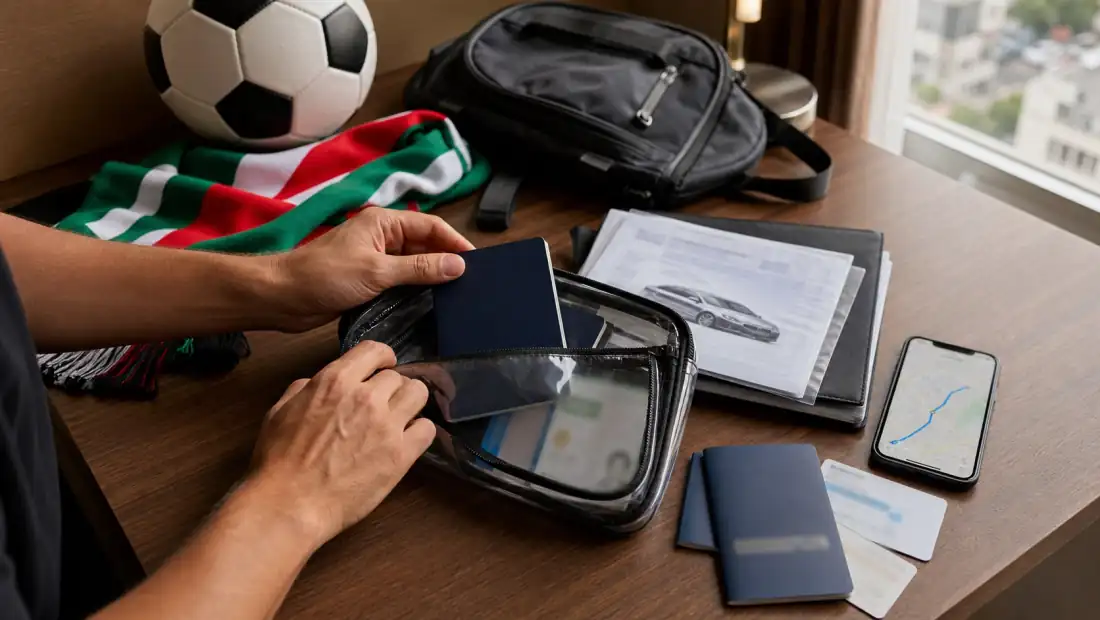
Bring only what you can carry through inspection, transit, heat, rain, and crowds. Keep documents separate from cash, chargers, medications, and hotel keys.
When walking across helps
Pedestrian crossing can be useful when parking is full, vehicle lanes are rising, or pickup is easier on both sides. It works best with a clear rideshare, shuttle, hotel, or family pickup plan.
Do not compare only vehicle wait times. Check pedestrian wait separately because lane pressure can move differently.
Pedestrian packing checklist
Carry documents, charger, water, weather layer, medication, cash card, and pickup details. Avoid bulky items that make inspection, transit, or walking uncomfortable.
If your plan may switch from walking to driving, keep vehicle wait pages and parking options open too.
.jpg)