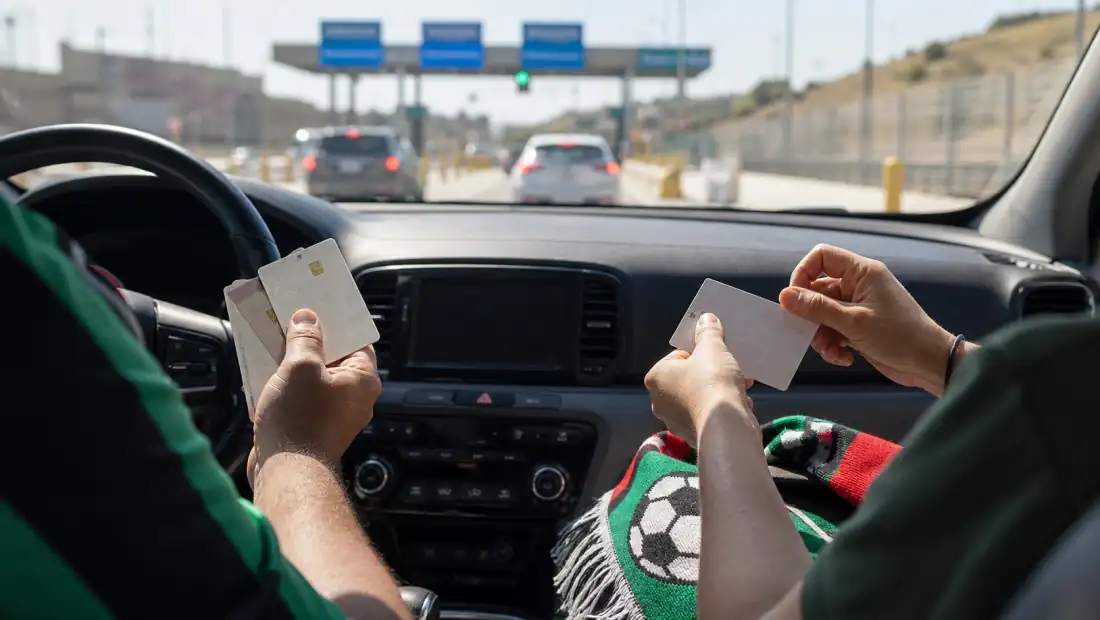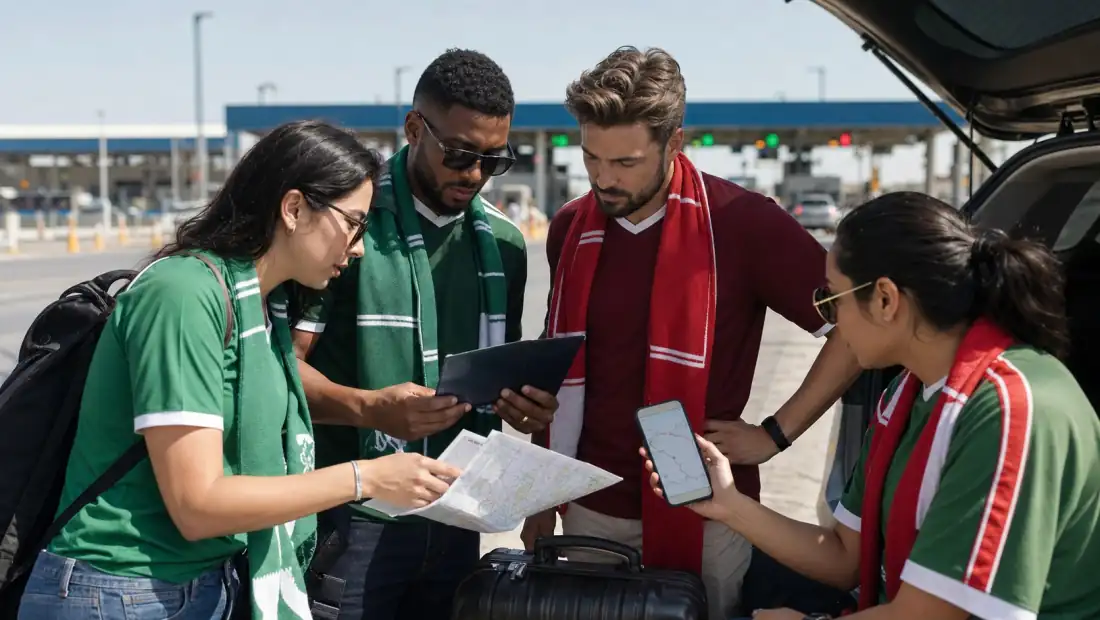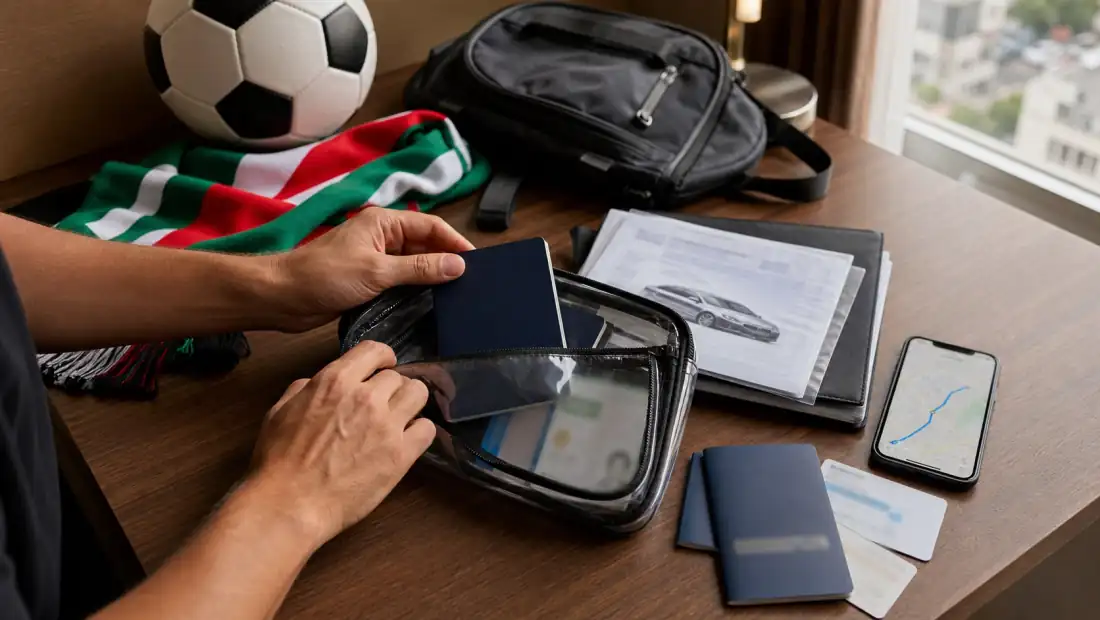
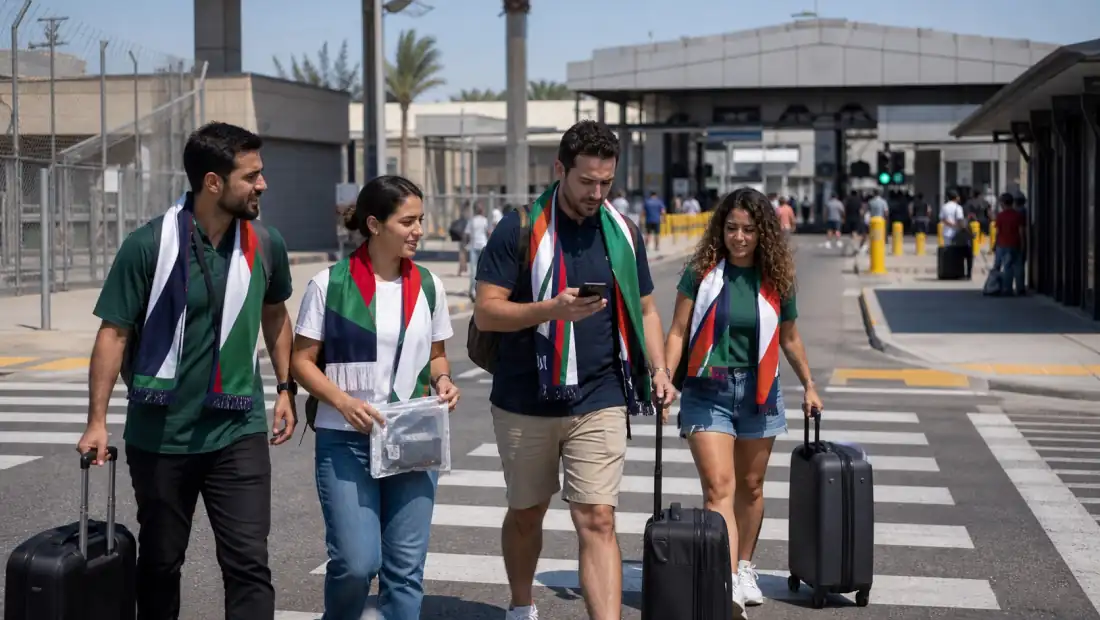
Pedestrian crossing can work well when stadium travel uses transit, rideshare, shuttles, hotels, or family pickups on both sides. It can also fail if one traveler lacks documents, the pedestrian lane is heavy, or the return plan depends on a closed pickup zone.
The same document logic still matters. U.S. citizens returning by land need WHTI-compliant documents. Canadian citizens entering the United States by land need accepted WHTI documents. Mexican citizens entering the United States generally need a passport with visa or Border Crossing Card.
Entering Mexico by foot still requires Mexico entry compliance for foreign visitors. INM says foreign visitors using the FMM process by land need a valid passport or passport card and, where nationality requires it, a valid visa. The FMM must be presented at the intended point of entry.
Do not pack like a car traveler if you are walking. Bring only what you can carry through inspection, transit, heat, rain, and crowds. Keep documents separate from tickets, cash, chargers, medications, and hotel keys.
Families and groups need one document plan per person. A child, friend, or visiting relative with different citizenship or status may need different proof than the driver or trip organizer.
Match-day pedestrian checklist: current pedestrian wait, current vehicle wait if pickup changes, official document link, phone battery, offline map, rideshare pickup zone, water, weather, return crossing hours, and alert threshold.
Sponsor opportunity: border parking, pedestrian shuttle, hotel, rideshare staging, insurance, legal/document review, mobile charging, and local food offers can fit pedestrian pages. Paid placements should never imply guaranteed admission or faster official processing.