
This guide is informational, not legal advice. Verify CBSA, Travel.State.gov, IRCC, CBP, airline, bus, rental-car, insurance, and event guidance before travel.
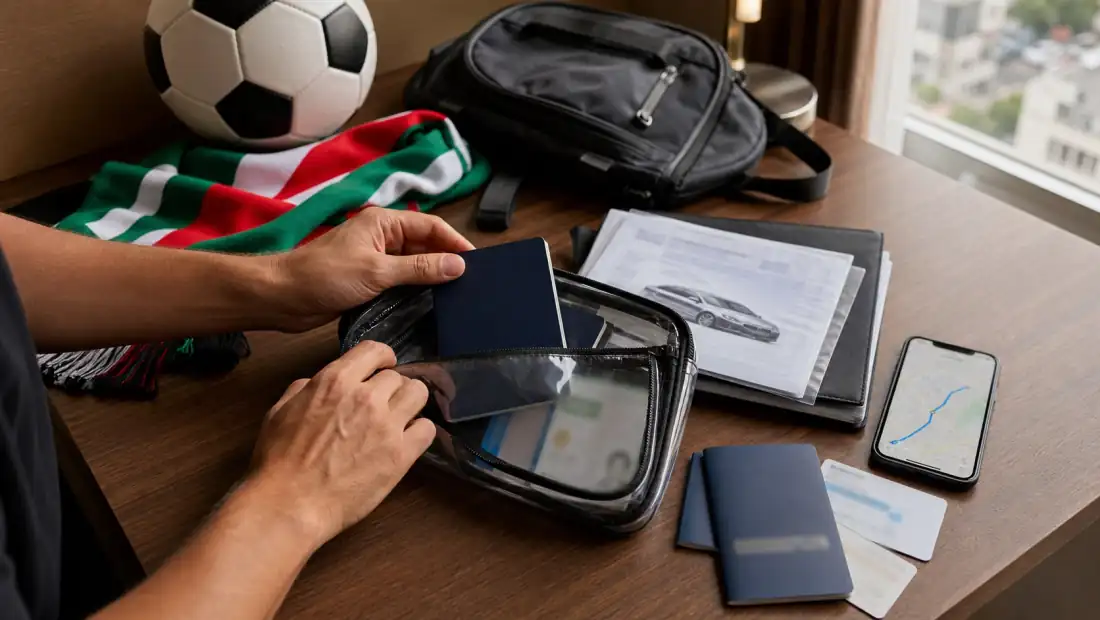
For Canada entry, CBSA recommends U.S. citizens travel with a valid passport to prove identity and citizenship. The State Department also says U.S. citizens can use a valid U.S. passport, passport card, or NEXUS card to enter Canada, but check the mode of travel and current Canadian rules before relying on an alternative document.
NEXUS can help eligible travelers at participating ports, but every traveler must follow program rules. Keep a passport or proof of permanent residence available if asked to prove citizenship or residency status.
For Toronto and eastern Canada matches, compare Peace Bridge, Rainbow Bridge, Lewiston-Queenston context, Ambassador Bridge, and Blue Water Bridge. For Vancouver-area travel, compare Blaine Peace Arch, Pacific Highway, and Sumas.
Families should prepare minors' documents and authorization letters when a child travels without both parents or legal guardians. Also check medicines, pets, firearms, cannabis, alcohol, food, and cash reporting rules before crossing.
For the return to the United States by land or sea, U.S. citizens need a WHTI-compliant document such as a passport book or card, enhanced driver's license where available, enhanced tribal card, or trusted traveler card.